California Auto Repair Estimate Disputes and Shop Choice
Reviewed November 16, 2026 by the californiaautoinsurance.com editorial team.
Introduction
California drivers who face a repair estimate dispute after a car accident have a clear legal right: you can choose your own repair shop, and your insurance company cannot force you to use a specific automotive repair dealer. That right is codified in California Insurance Code §758.5. Yet insurers routinely challenge shop estimates on labor rates, parts selections, and repair procedures — creating gaps that can cost you hundreds or thousands of dollars if you don’t know how to respond.
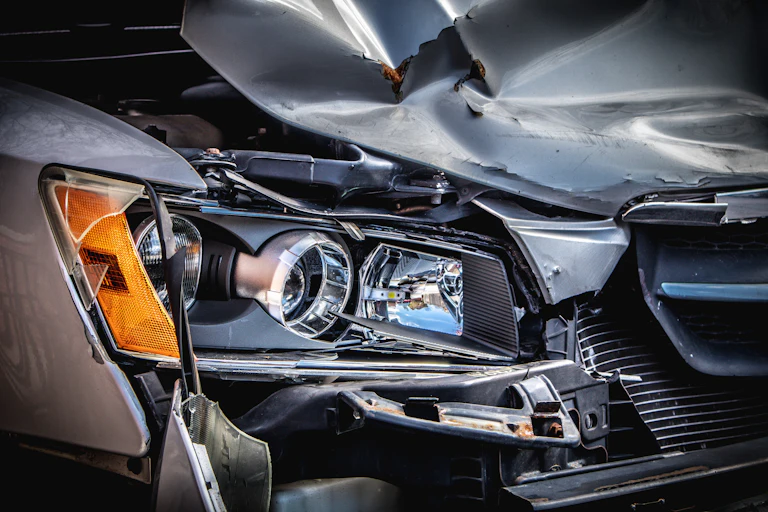
This guide covers California law governing shop choice and estimate disputes, the practical steps you can take when your shop’s estimate exceeds the insurer’s estimate, and how first-party and third-party claims differ. It is written for general informational purposes and does not constitute personalized legal advice or reference any particular insurer’s policies. The target audience is any California driver dealing with a low insurance estimate, pressure to use a preferred shop, or confusion about who pays for what after an accident — including drivers with prior tickets, at-fault accidents, or high-risk profiles.
The short answer: Yes, California law allows you to choose any repair shop, and you can dispute an insurer’s low repair estimate with a higher estimate from your shop. However, the insurer is only required to pay what it determines is a “reasonable” repair cost under your policy and the California Fair Claims Settlement Practices Regulations — not necessarily the highest quote available.
Here is what you will gain from this guide:
- A clear understanding of your repair-shop rights under California Insurance Code §758.5
- Knowledge of how and why insurance estimates differ from shop estimates
- A step-by-step process for contesting a low estimate from your insurer
- Insight into how first-party and third-party claims create different dispute dynamics
- Guidance on when to escalate to the California Department of Insurance, the Bureau of Automotive Repair, or legal counsel
Understanding California Repair‑Shop Choice and Insurance Estimates
Before you can effectively challenge an estimate, you need to understand two foundational concepts: what “shop choice” means under California law, and how repair estimates are actually built. These determine who decides what, who pays for what, and which rules govern the entire repair process.
Without this foundation, many drivers accept a low estimate or yield to insurer pressure simply because they don’t realize the law is on their side — or they don’t know exactly where the two estimates diverge.
Your Right to Choose a Repair Shop in California
California Insurance Code §758.5 prohibits insurers from requiring that your automobile be repaired at a specific shop. Insurance companies cannot require you to use a specific shop — period. They may recommend a repair facility, but only after informing you in writing that you are free to choose any licensed body shop you prefer.
This means you — the vehicle owner — are the customer of the shop. You authorize the work, you select the facility, and you decide whether to use an insurer-recommended collision repair shop or your own body shop across town. Your right to choose applies regardless of fault in the accident, whether you are filing under your own collision policy or claiming against the at-fault driver’s liability coverage.
If an insurer suggests a particular shop without disclosing your right to go elsewhere, or if insurance companies push you toward a preferred shop through implied threats of non-payment or slower service, that behavior may constitute illegal steering. You can report illegal steering to the California Department of Insurance.
How Auto Insurance Repair Estimates Work
A repair estimate is the insurer’s written assessment of what it believes is necessary to return your vehicle to pre-loss condition, subject to your policy limits and deductible. California law requires insurers to provide a written estimate, and under the Fair Claims Settlement Practices Regulations (10 CCR § 2695.8), that estimate must permit repairs according to “accepted trade standards for good and workmanlike automotive repairs.”
Adjusters typically build their estimates using a combination of in-person or photo-based inspections, industry estimating software, and prevailing labor rates in your local market. Your chosen shop prepares its own estimate using its posted labor rates, preferred parts sources (OEM parts, aftermarket parts, or recycled components), and any manufacturer-specific repair procedures required for your vehicle. Insurance estimates may differ from repair shop estimates — and those differences are the starting point for most disputes.
Key Players in a California Repair Estimate Dispute
Understanding who does what helps you direct your questions and complaints to the right party:
- Policyholder / Claimant: You. The person with the legal right to choose the shop, authorize repairs, and challenge estimates you believe are inadequate.
- Insurance Adjuster: The insurer’s representative who inspects damage, writes or reviews the insurer’s estimate, and decides what the company will pay. An independent appraiser may also be brought in for complex claims.
- Regulators: The Bureau of Automotive Repair regulates shops and mediates disputes between consumers and repair shops. The California Department of Insurance regulates insurers, enforces fair claims practices, and accepts consumer complaints about adjuster conduct.
With these roles clear, the next question becomes: what happens when your shop’s estimate and the insurer’s estimate don’t match?
When Your Shop’s Estimate and the Insurer’s Estimate Don’t Match
Now that you understand your right to pick a shop and how estimates are created, the focus shifts to what happens when the numbers diverge. It is common for California drivers to see differences of hundreds or even thousands of dollars between estimates, particularly on late-model vehicles equipped with advanced driver-assistance systems (ADAS) and complex structural components.
Why Shop Estimates Are Often Higher
Several recurring factors drive the gap between your shop’s estimate and the insurer’s:
- Hidden damage discovered during teardown: Repair shops may find additional damage not visible initially. Structural problems, bent frame rails, compromised ADAS sensors behind bumper covers, and internal component failures only become apparent once panels are removed. Supplemental estimates can be submitted by your chosen shop when hidden damage is found during repairs — and these supplements often add substantial cost.
- Higher posted labor rates: Your chosen collision repair shop may charge labor rates above what the insurer considers “prevailing” for your area. Labor rate disputes are among the most common sources of estimate disagreement in California.
- OEM parts vs. aftermarket or recycled parts: OEM parts are often required for luxury brands like BMW and Tesla, and many shops default to OEM components for safety-critical repairs. Direct Repair Program shops often use cheaper aftermarket parts to keep costs aligned with insurer expectations, creating a parts-cost gap when you use an independent shop that specifies OEM.
- Manufacturer repair procedures: Newer vehicles frequently require strict adherence to factory repair methods, including sensor calibration, structural bonding protocols, and post-repair ADAS alignment. If the insurer’s estimate omits these procedures, the shop’s estimate will be significantly higher.
How Insurers Evaluate “Reasonable” Repair Costs
Insurers cannot enforce a rigid labor rate cap based solely on their contracted shop rates. If a shop charges above what the insurer considers prevailing, the insurer must support its position with market data, not simply default to what its preferred shop would have charged. The insurer’s obligation is to pay what a reasonable repair would cost in your geographic area, not to match the highest or lowest quote available.
First‑Party vs. Third‑Party Estimate Disputes
Your rights and leverage differ depending on which insurer you are dealing with:
In both situations, your right to choose the repair facility is preserved. But the mechanisms for resolving a money dispute between what the shop charges and what the insurer will pay depend on the claim type.
Practical Steps to Handle a Repair Estimate Dispute in California
With the legal framework and common dispute sources clear, here is a structured, step-by-step process any California driver can follow when their preferred shop’s estimate and the insurer’s estimate conflict. Documentation and clear communication are your strongest tools.
Step‑by‑Step Process for Responding to a Low Insurance Estimate
Before authorizing repairs, work through these steps to protect yourself financially:
- Request the insurer’s written estimate and review it line-by-line with your shop. Identify every item where the two estimates diverge — labor hours, labor rates, parts type, and included or excluded procedures.
- Ask your chosen shop for a detailed written estimate that itemizes labor rates by type (body, paint, frame, diagnostic, calibration), labels every part as OEM, aftermarket, or recycled, and lists any manufacturer procedures or ADAS calibration required. You have the right to obtain an itemized written repair estimate from your shop.
- Have the shop prepare a supplemental estimate if teardown reveals hidden damage or additional damage not captured in the initial inspection. Include photographs, diagnostic trouble codes, and references to the manufacturer’s repair manual.
- Ask the shop to submit its estimate and supplements directly to the adjuster, copying you on all communications. Written correspondence creates a clear paper trail.
- Allow a reinspection at the shop so the insurance adjuster can see the vehicle in a partially disassembled state and verify the additional damage firsthand. Under California regulation, if the insurer’s estimate is too low, they must adjust it to cover necessary repairs — or respond with one of the alternatives described in 10 CCR § 2695.8(f).
- Request in writing that the insurer identify exactly which line items it disputes and why. You can request a written explanation from an insurer for any estimate adjustments they make. This forces the insurer to justify each reduction rather than offering a blanket “we’ll only pay X.”
- If a gap remains, ask about internal appeal or supervisor review within the insurance company. Many disputes are resolved at this stage without regulatory intervention.
- Document everything — all calls (with dates, names, and summaries), emails, estimate versions, and photos. Keep copies in a dedicated dispute folder, whether physical or digital.
Comparing Insurer‑Preferred Shops vs. Independent Shops You Choose
Many estimate disputes are linked to whether you use a direct repair program (DRP) shop or an independent repair facility you selected yourself. Here is how they typically compare:
| Criteria | Independent Shop You Choose | Insurer‑Preferred (DRP) Shop |
|---|---|---|
| Control over parts and repair procedures | Higher — you and the shop decide on OEM parts and manufacturer methods | May be limited; shop often follows insurer guidelines on parts and labor |
| Estimate alignment with insurer | Frequent discrepancies requiring negotiation | Estimates typically pre-aligned with insurer’s pricing structure |
| Ease and speed of claim handling | May require more back-and-forth with the adjuster | Often streamlined with faster approvals and integrated rental coordination |
| Perceived loyalty | Shop works for you, the customer | Shop has a business relationship with the insurer as well as with you |
Both types of shops can perform quality collision repair work. However, preferred shops prioritize insurer guidelines over customer satisfaction in some cases, while independent shops may advocate more aggressively for thorough repair documentation. The financial relationships and estimate dynamics are simply different. Insurance companies may imply faster service at preferred shops, but under California law, shop choice is ultimately yours — the insurer cannot steer you to a different shop through pressure or financial penalties tied to the preferred shop’s pricing.
Coordinating Timing, Rental Coverage, and Drivable vs. Non‑Drivable Vehicles
While a dispute is pending, practical logistics matter:
- Rental coverage: Ask the insurer how many days of rental your policy covers while estimates are being negotiated. If disputes stretch beyond your rental limit, you may need to weigh the cost of additional rental days against the disputed amount.
- Storage fees: If your car sits at a tow yard or shop during a prolonged dispute, clarify who pays storage. Under BAR regulations, a shop may bill storage only once repairs are completed and the consumer has been notified; fees cannot accrue during teardown before the post-teardown estimate is provided.
- Drivable vs. non-drivable vehicles: If the car is unsafe to drive, discuss temporary or non-structural measures the insurer may authorize. Do not drive a vehicle with compromised safety systems simply to avoid storage costs.
Advanced Issues: Labor Rates, Parts, OEM Procedures, and Total Loss Calls
The practical steps above resolve many disputes. But the largest dollar differences in California insurance claim negotiations often come down to four technical issues: labor rates, parts choices, manufacturer repair procedures, and total loss determinations. Understanding these equips you to have more precise conversations with adjusters and shop managers.
Labor Rate Disputes in California
“Labor rate” is not a single number. Body shops post separate rates for body work, frame repair, paint, mechanical, aluminum, diagnostic, and calibration labor — and these rates vary significantly between California metro areas and rural regions. What a shop in downtown Los Angeles charges per hour for auto body repair may be substantially higher than a shop in a small Northern California town.
Insurers often reference a “prevailing rate” derived from standardized labor rate surveys authorized under 10 CCR § 2695.81. Using the survey gives the insurer a rebuttable presumption of good faith, but it does not make the survey’s rate an absolute cap. If your chosen shop charges above the insurer’s prevailing rate, you may be asked to pay the difference — unless the shop successfully negotiates or the insurer’s rate is shown to be unreasonably low for your area. Insurers cannot enforce a rigid labor rate cap based solely on their contracted shop rates.
Ask the insurer how it determined the labor rate it used. Ask your shop whether it is willing to justify its posted rate through recent invoice history or local market data. These conversations often narrow the gap.
Parts Choices: OEM, Aftermarket, and Recycled
- Aftermarket parts: Made by third-party manufacturers. Lower cost, but aftermarket parts can void your factory warranty on certain components if they do not meet original specifications. California law requires parts disclosure to customers on both the estimate and the invoice.
- Recycled (LKQ) parts: Salvaged from other vehicles of the same make and model. Cost-effective, but condition varies.
Under 10 CCR § 2695.8(g), an insurer can specify non-OEM parts only if they are equal to OEM in safety, quality, fit, and performance — and any required modifications must be paid for by the insurer. Direct Repair Program shops may use cheaper aftermarket parts as a default; if you want OEM, discuss it with your shop and insurer before work begins. Your policy language often controls what the insurer is obligated to pay for — check whether you carry an OEM parts endorsement.
For critical safety components such as airbag modules and ADAS sensors, a three-way discussion between the shop, insurer, and you as the driver is strongly advisable.
Manufacturer Repair Procedures and Advanced Driver‑Assistance Systems (ADAS)
Vehicles from roughly 2015 onward — including EVs and cars with lane-keeping assist, automatic emergency braking, or adaptive cruise control — frequently require calibrations and strict OEM repair methods after collision repair. Following these repair procedures can add substantial labor and diagnostic time: windshield-mounted camera calibration, front radar alignment, and structural bonding per manufacturer specifications are all examples.
If the insurer’s estimate omits or underestimates these procedures, the shop’s estimate will reflect substantially more labor hours. Encourage your shop to reference or summarize the relevant OEM repair guidance when a procedure is in dispute. Accepted trade standards in collision repair increasingly incorporate manufacturer repair manuals as the baseline, not a luxury add-on.
When a Dispute Becomes a Total Loss Question
Estimate accuracy matters enormously here: missed hidden damage can inflate the repair cost and push the claim into total loss territory, while an undervalued ACV shortchanges you on the settlement. Request the insurer’s total loss valuation breakdown and compare it to independent market data. If comparable vehicles are undervalued or key options are omitted, challenge the valuation in writing.
Common Problems California Drivers Face – and How to Solve Them
These are recurring pain points that California drivers encounter when navigating repair estimate disputes and shop choice conflicts.
Problem 1: Feeling Pressured to Use the Insurer’s “Preferred” Shop
Insurance companies push preferred shops to save on repair costs, sometimes using language like “we can’t confirms repairs at that shop,” “that shop is out of network,” or “the process will take longer.” Insurance companies may pressure you to use preferred shops, but this pressure can cross into illegal steering.
- Quote your right to choose under California Insurance Code §758.5 and ask the adjuster to confirm in writing that you may use any licensed repair facility.
- Ask the adjuster to clarify whether their suggested shop is a recommendation or a requirement, and document the answer.
- If you still feel pressured, note the adjuster’s name, date, and statements. Formal complaints can be filed with the California Department of Insurance for unfair practices.
Problem 2: Shop Estimate Is Much Higher Than the Insurer Will Approve
Many drivers feel trapped when told they might owe the difference between two numbers they don’t fully understand. Consumers have the right to refuse lowball estimates and seek independent appraisals.
- Ask your shop to identify precisely which line items exceed the insurer’s estimate and why — for example, OEM parts, additional labor hours for structural repair, or ADAS calibration.
- Request that the shop submit a supplement with photos and OEM repair documentation to support those extra line items. California law allows you to dispute an insurer’s low repair estimate with a higher estimate from your shop.
- Ask the insurer to put in writing which specific charges it refuses to pay and on what basis. Insurers must provide an adequate estimate based on industry repair standards.
- Decide before repairs begin who will pay any non-approved items: you, the shop (as a negotiated concession), or no one if the work is not performed.
Problem 3: Work Starts Before You Understand What the Insurer Will Pay
Disassembly and partial repairs can trap drivers between the shop and insurer once disagreements surface. You must receive a written estimate before repairs begin — this is a California legal requirement. A shop cannot perform work exceeding the authorized estimate without the consumer’s consent.
- Do not authorize major repair work until you receive and review both the shop’s estimate and the insurer’s written approval or reservations.
- Ask the shop to limit initial work to diagnosis and teardown with a separate authorization, keeping the repair scope contained until the claim is resolved.
- If unauthorized work is performed, you may contact the California Bureau of Automotive Repair to file a complaint. The Bureau of Automotive Repair mediates disputes between consumers and repair shops.
Problem 4: Poor Communication Between Shop and Insurer Delaying Repairs
Missed emails, slow photo uploads, or unclear supplements can stretch timelines, exhaust rental coverage, and increase storage costs.
- Designate a single point of contact — you or a specific shop staffer — to track where the estimate stands at all times.
- Set expectations with the shop about how quickly they will respond to insurer information requests and document submission deadlines.
- Ask the insurer how long supplemental review typically takes and whether any documents are still missing.
Problem 5: Not Knowing When to Get Outside Help
Some disputes can be solved with better repair documentation, while others require outside assistance.
- Contact the California Department of Insurance for help understanding claim-handling obligations and filing complaints about adjuster conduct or steering.
- If repeated claim frustrations lead you to question whether your current coverage fits your needs, compare car insurance options from multiple carriers to find a policy that better supports your repair preferences.
Conclusion and Next Steps
California law gives you the right to choose your own shop for collision repair, and it gives you tools to challenge an insurer’s estimate when it falls short of what your repair facility says is necessary. Estimate disputes are common — driven by differences in labor rates, parts choices, hidden damage, and manufacturer repair procedures. Structured communication, thorough repair documentation, and a willingness to escalate when necessary resolve the majority of conflicts.
Here are your immediate next steps:
- Gather all written estimates and photos related to your damage — from the insurer and from your chosen shop.
- Schedule a discussion with your shop to understand their estimate line by line, including any items the insurer is likely to dispute.
- Ask your insurer for written clarification on any denied or reduced line items, including how they determined their labor rate and parts selections.
- Decide your path forward: proceed with repairs, request supervisor review within the insurance company, or escalate to the California Department of Insurance.
- If your experience suggests your current coverage isn’t working, contact California Auto Insurance at (855) 231-0001 or visit CaliforniaAutoInsurance.com to review your options from over 30 carriers and discuss how coverage choices — collision, comprehensive, higher liability limits — affect future repair claims.
Related topics you may want to explore next include California minimum liability limits, collision vs. comprehensive coverage, DMV insurance suspension notices, SR-22 requirements for high-risk drivers, and total loss valuation processes.
Additional Resources for California Drivers
These optional references provide deeper detail for drivers who want to go further:
- California Department of Insurance — Auto Claims Consumer Guide: guidance on claims, steering, and filing complaints
- California Bureau of Automotive Repair — Consumer Complaint Process: for disputes with repair shops, unauthorized work, and estimate issues
- California Insurance Code § 758.5: the statute protecting your shop choice
- CDI Bulletin on OEM Parts Designations: guidance on insurer labeling of parts in estimates
- CaliforniaAutoInsurance.com guides on comparing coverage types including liability, collision, comprehensive, SR-22, and non-owner policies
Frequently Asked Questions About California Repair Estimates, Disputes, and Shop Choice
Can my California auto insurer require me to use a specific repair shop?
- No. California Insurance Code §758.5 prohibits insurers from requiring you to use a particular automotive repair dealer. Insurance companies cannot require you to use a specific shop.
- They can recommend a facility, but they must disclose in writing that you are free to choose any licensed shop.
- If you feel forced or threatened with non-payment over shop choice, document it and consider filing a complaint with the California Department of Insurance.
What should I do if my preferred shop’s estimate is higher than the insurer’s?
- Ask the shop to prepare a detailed, itemized estimate and any needed supplements with photographs and manufacturer documentation.
- Have the shop submit this documentation to the insurance adjuster and request written responses on each disputed item.
- Clarify before work begins who will cover any non-approved charges if the insurer will not pay the full amount. The right to choose a repair facility does not give unlimited coverage for all charges — but the insurer must justify each reduction.
Does choosing my own shop affect whether my claim is covered?
- Choosing your own shop should not, by itself, void coverage for covered damage under a valid California policy.
- Coverage decisions still depend on fault, policy limits, exclusions, and the nature of the visible damage and any additional damage found.
- What may change is how much the insurer agrees is “reasonable” to pay that particular shop, especially if the shop’s labor rates exceed prevailing rates.
Can I get my own estimate before the insurer inspects my car?
- Yes. You may take your vehicle to any licensed shop in California for a free estimate or written estimate at any time. California law mandates a minimum 90-day warranty on repairs, so ensure your shop documents everything.
- However, you should still cooperate with the insurer’s inspection so they can prepare their own estimate and process the insurance claim.
- Use both estimates to identify differences and start an informed conversation about any dispute.
When should I contact California Auto Insurance for help?
- If repeated claim frustrations make you question whether your current coverage fits your needs as a California driver.
- If you are unsure whether collision, comprehensive, or higher limits would have changed the outcome of your current repair estimate dispute.
- Call (855) 231-0001 or visit CaliforniaAutoInsurance.com to compare options from over 30 carriers and discuss how coverage choices affect future repair claims.